How smart automation makes daily living easier & more efficient


Jhon Mack
Introduction
Smart automation is transforming the way people interact with their homes by simplifying everyday tasks and improving overall convenience. Instead of manually controlling multiple devices throughout the day, homeowners can create automated routines that handle these actions automatically.
From managing lighting and climate settings to enhancing security and energy efficiency, smart automation helps create a more comfortable and connected living environment.
What Is Smart Home Automation?
Smart home automation allows devices and systems to perform actions automatically based on schedules, conditions, or user preferences. These automated processes reduce the need for constant manual control while making daily routines more seamless.
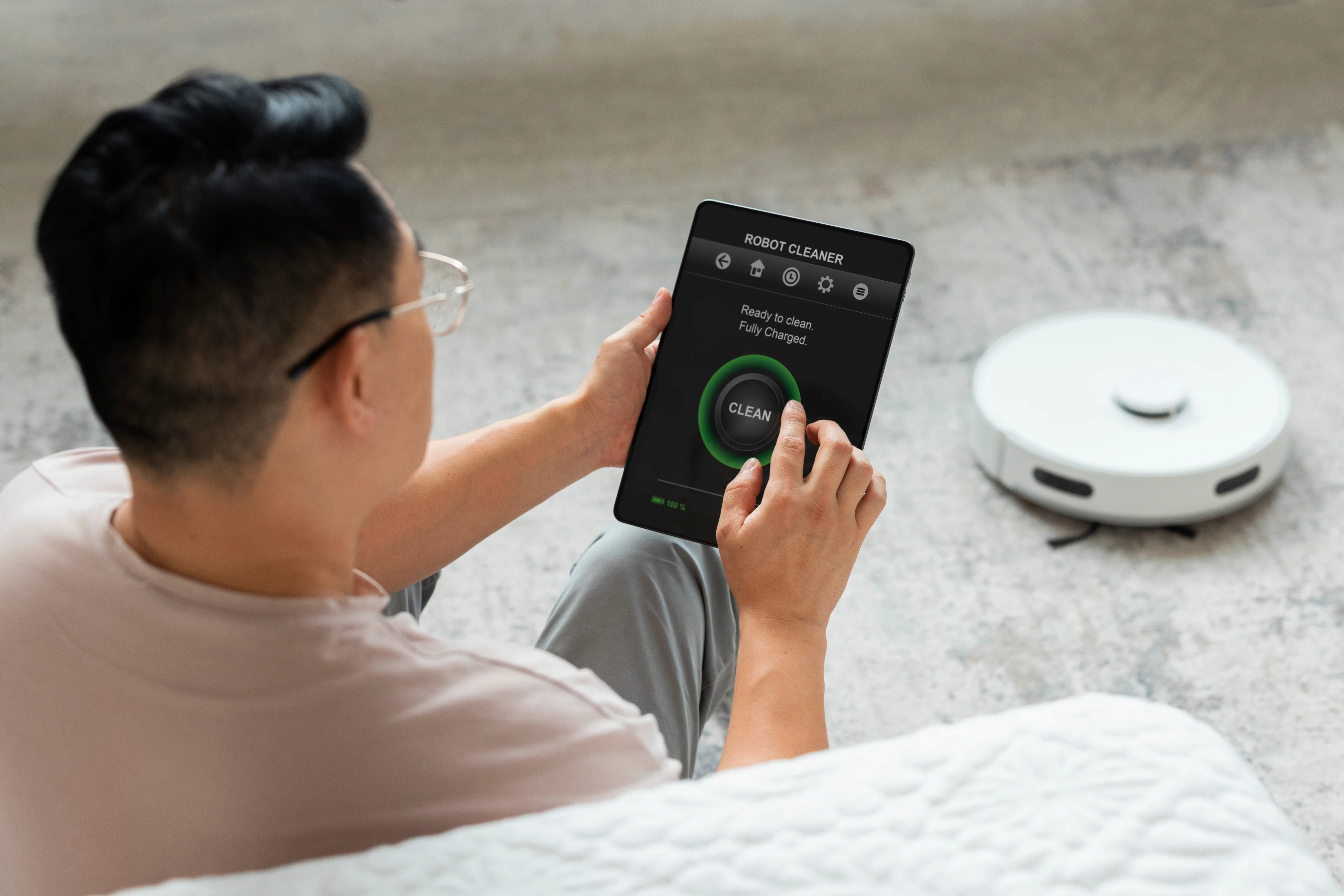
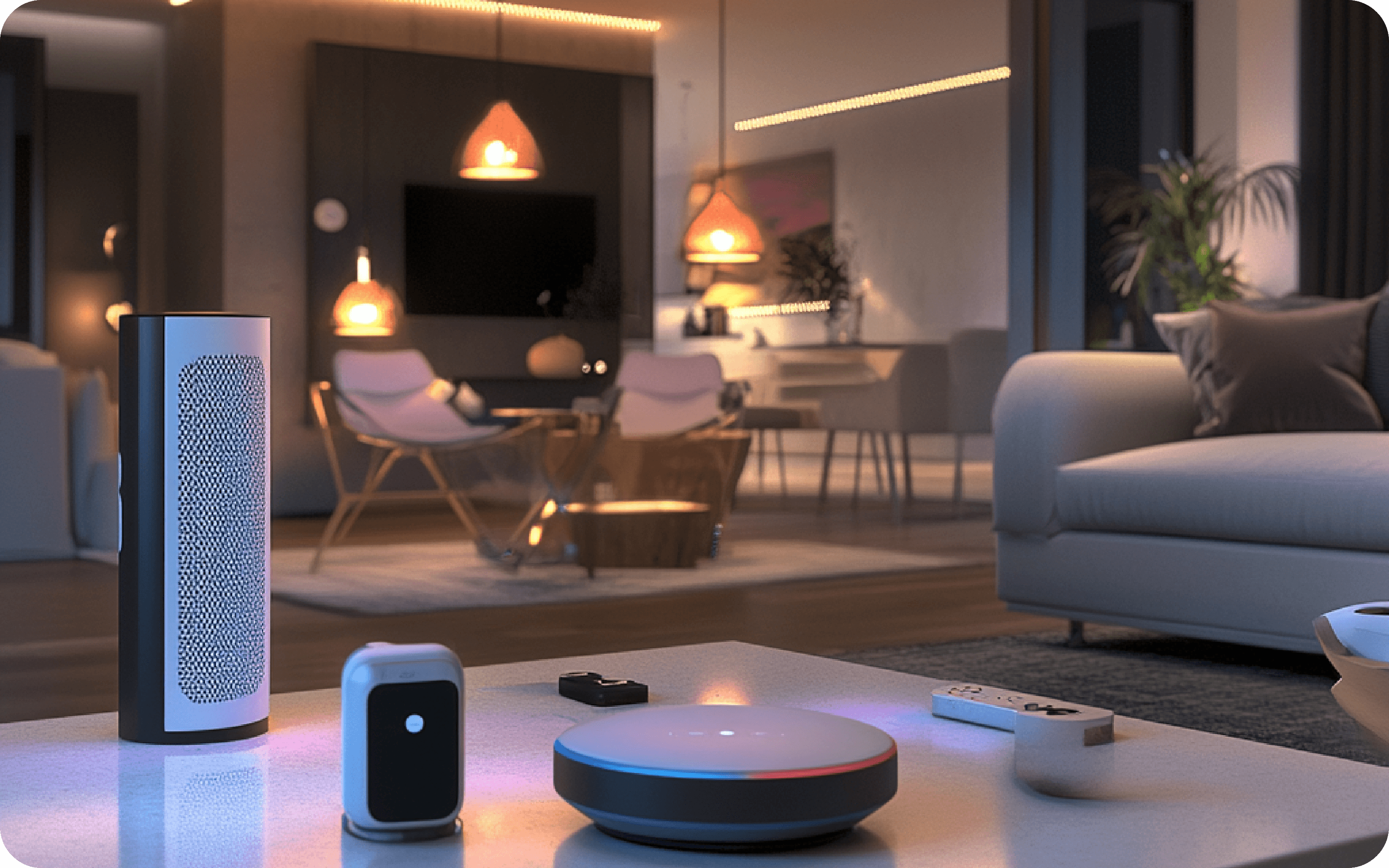
By connecting multiple smart devices through a centralized platform, homeowners can manage and monitor their entire home from a single interface.
Common Smart Automation Features
Automated Lighting Control
Smart Climate Management
Voice Assistant Integration
Automated Door Locks
Security Monitoring
Remote Device Control
Simplifying Everyday Routines
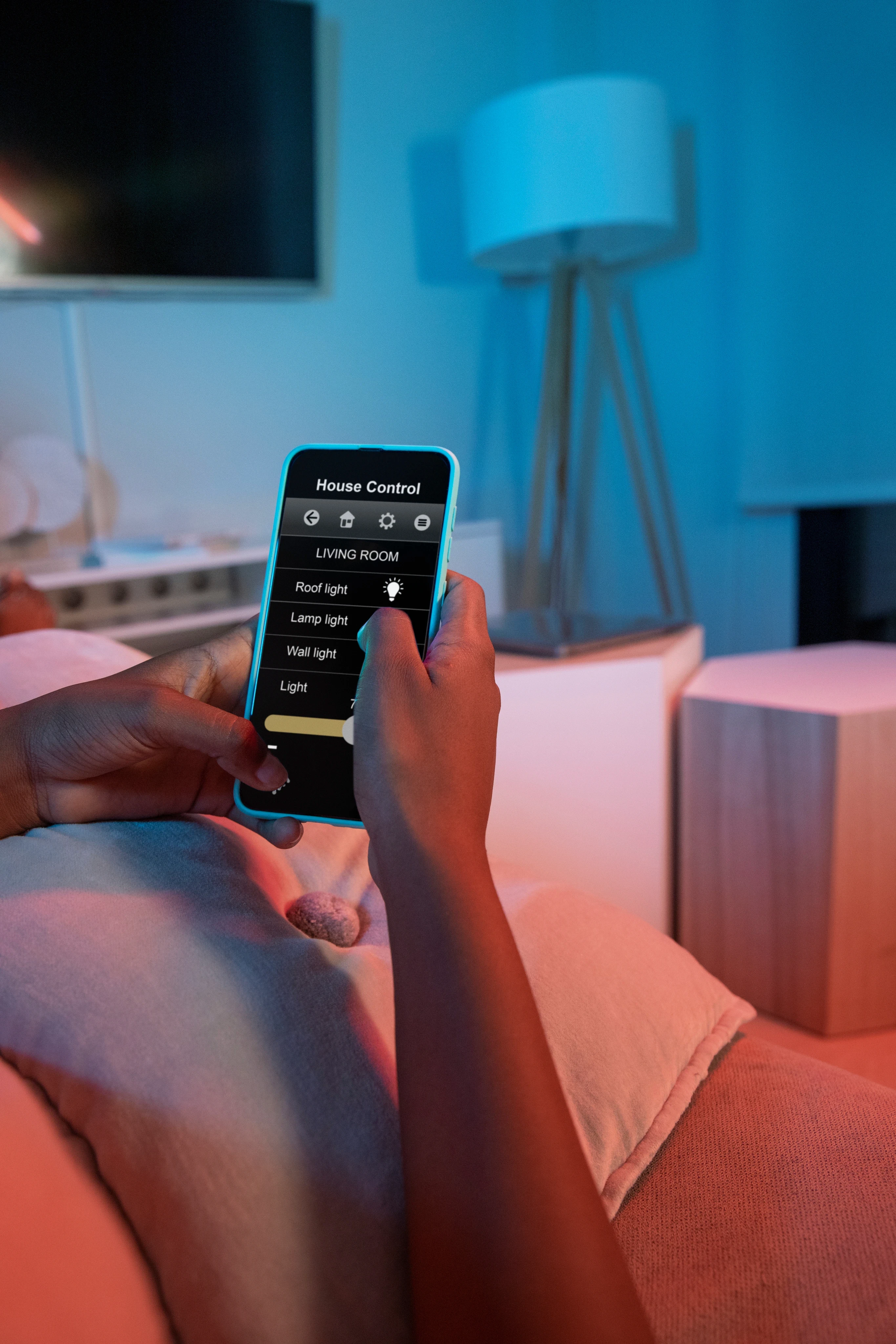
One of the biggest advantages of smart automation is the ability to streamline repetitive daily activities. Lights can turn on when you enter a room, blinds can open automatically in the morning, and thermostats can adjust temperatures based on your schedule.
These small automations save time and help create a more convenient lifestyle without requiring constant attention.
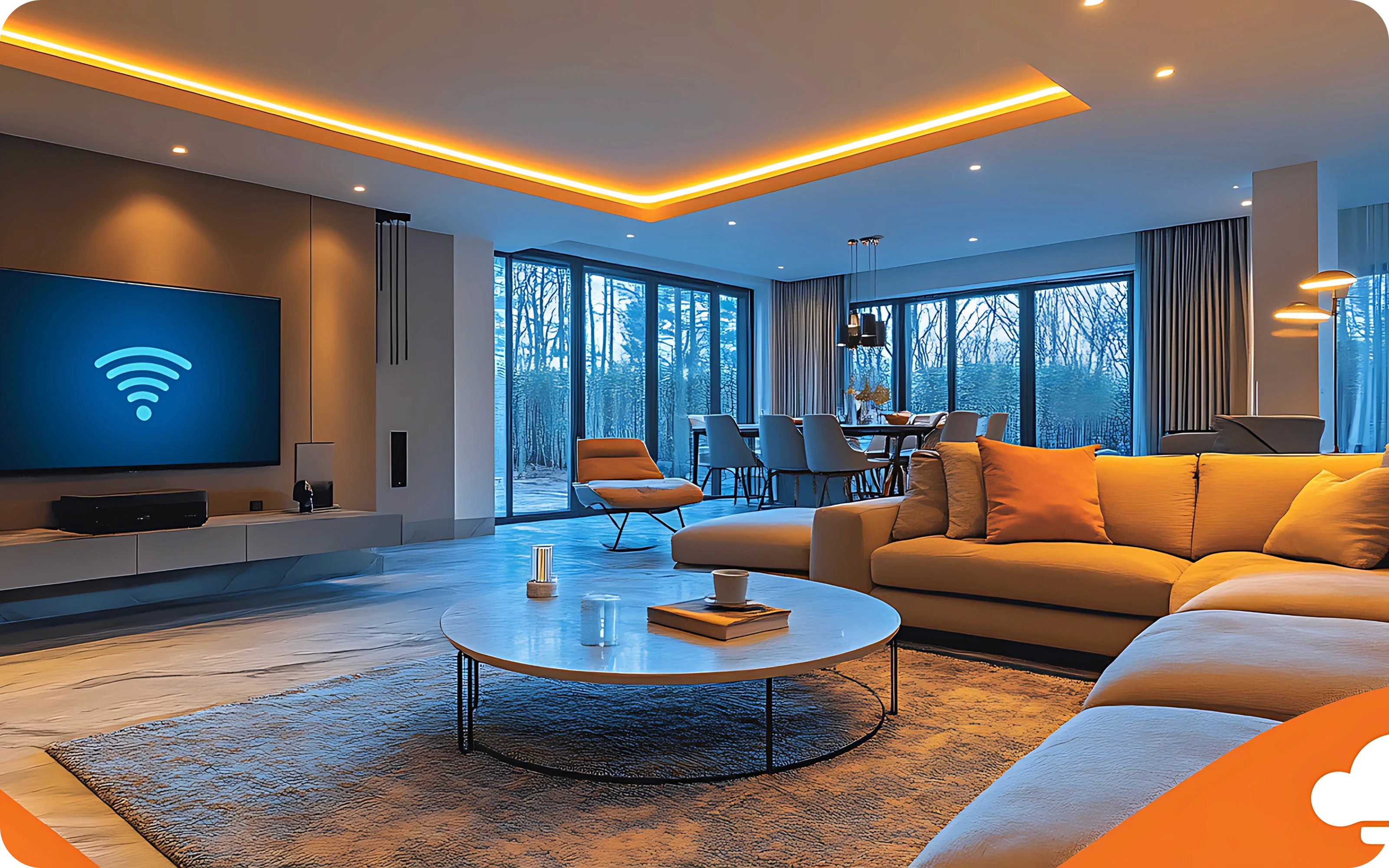
Improving Energy Efficiency
Smart automation helps reduce energy waste by ensuring devices operate only when necessary. Lighting systems can automatically switch off in unoccupied rooms, while smart thermostats optimize heating and cooling based on occupancy and usage patterns.
This intelligent energy management can lower utility costs while supporting a more sustainable home environment.
Enhancing Comfort & Security
Automation can improve both comfort and safety by coordinating multiple systems throughout the home. Security cameras, smart locks, and alarm systems can work together to provide real-time protection, while lighting and climate controls maintain ideal living conditions.
Homeowners can also receive instant notifications and remotely manage their systems from anywhere using mobile devices.
Conclusion
Smart automation makes daily living easier by reducing manual tasks, improving efficiency, and creating a more personalized home experience. Through intelligent control of lighting, climate, security, and other connected devices, homeowners can enjoy greater convenience and peace of mind.
By adopting smart automation solutions, modern households can create a smarter, safer, and more efficient environment that adapts effortlessly to their everyday needs.